
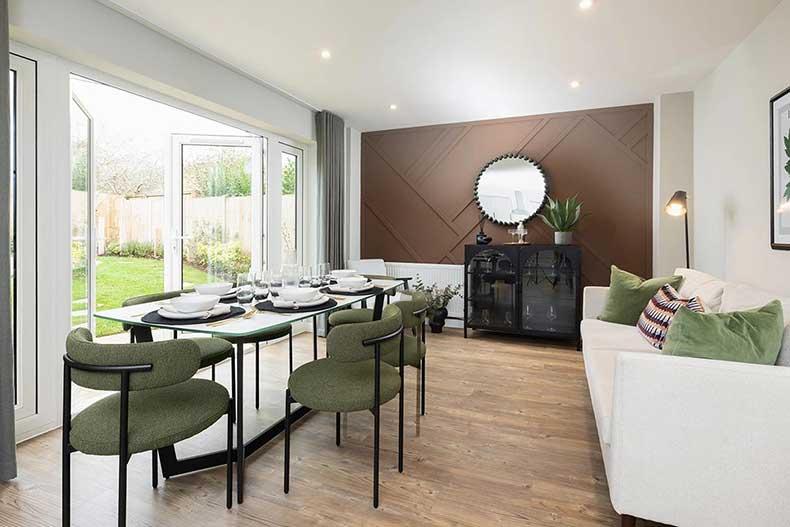
The ultimate guide to creating a sustainable home
Sustainability at home often begins with simple changes. From reducing energy use to managing water more efficiently and choosing longer-lasting products, each decision plays an important role in reducing your environmental impact.
In this guide, we’ll explore some practical ways to improve sustainability at home, focusing on everyday actions that support efficient living now and in the future.
What makes a home sustainable?
A sustainable home is one that uses energy and water efficiently, while limiting environmental impact across its lifetime. This is typically achieved through effective insulation, efficient heating and hot water systems, responsible material choices and careful water use.
When you buy a new build, you’ll get a home that is constructed to a higher performance standard than an older property, giving you a solid starting point for more efficient living.
How to be more sustainable at home
If you’re looking to live a more sustainable lifestyle, here are just some of the ways you can be more sustainable at home:
Use heating and energy more efficiently
Heating is one of the biggest contributors to household energy use, which makes it an important area to manage carefully. Small adjustments, such as setting your thermostat slightly lower and wearing an extra layer during colder months, can reduce energy demand without affecting comfort.
Smart thermostats and heating controls can help you set schedules that reflect your daily routine, ensuring energy is not used when it’s not needed.
You can also use energy in your home more efficiently by turning appliances off at the plug rather than leaving them on standby, reducing wasted energy over time. To learn more about how to save energy at home, check out our latest blog.
Be more conscious with water use
Using water efficiently plays an important role in reducing household resource use and managing running costs. While water consumption can be easy to overlook, small changes to everyday habits can have a real impact over time.
Simple actions such as taking shorter showers, turning off taps while brushing teeth, and only running dishwashers or washing machines when they are full can significantly reduce water use. You can also install water-efficient fixtures and check regularly for leaks to further support better water management throughout the home.
Choose longer-lasting, thoughtful products
Creating a sustainable home also means thinking about the products you bring into it. Choosing durable furniture, fittings, and appliances reduces the need for frequent repairs and can cut down on waste.
If you’re looking to be more sustainable when decorating your new home, using low-emission paints and finishes contributes to better indoor air quality. And although energy-efficient appliances can have a higher upfront cost, they often consume less energy, leading to lower running costs and improved efficiency over time.
Reduce waste where possible
Household waste is another area where gradual changes can lead to meaningful improvements. Using reusable bags, bottles and food containers helps to cut down on single-use packaging. Sorting recyclable materials correctly and making use of local recycling services also supports more effective waste handling.
Planning meals in advance and storing food correctly can help prevent unnecessary food waste. These actions not only reduce the amount of waste produced but also support more efficient household management overall.
Think sustainably outside the home
Outdoor areas can also be managed with efficiency in mind. Try to choose plants that are suited to local conditions as this can reduce the need for frequent watering and ongoing maintenance. You can also opt for permeable paths and patios to allow rainwater to soak into the ground more easily, helping to manage surface water.
Additionally, adding features such as bird feeders and insect habitats can support local wildlife while contributing to a well-maintained outdoor space that requires fewer resources to manage.
Looking for a home that supports sustainable living?
If you’re interested in exploring new homes designed with modern efficiency standards in mind, you can explore our energy-efficient homes for sale here.
FAQ: Sustainability
What does it mean to have a sustainable home?
A sustainable home is designed to use energy and water more efficiently, reduce waste, and limit its impact on the environment. It focuses on everyday comfort while keeping running costs lower.
Are new build homes already designed with sustainability in mind?
Yes, new build homes are built to modern efficiency standards, with better insulation, improved heating systems, and more effective use of energy and water compared to older properties.
How can I use heating and energy more efficiently at home?
You can use energy more efficiently by reducing heat loss, using heating controls to suit your routine, and avoiding unnecessary energy use. Simple habits like turning appliances off and choosing energy-efficient lighting can make a difference.
What are some simple ways to be more water efficient?
Small changes can help reduce water use, such as taking shorter showers, turning off taps when they’re not needed, and only running washing machines or dishwashers when full.